

Ceramic coating and wax are two paint protection options used to preserve vehicle appearance, reduce environmental damage, and maintain surface gloss. While both improve paint protection, they differ significantly in durability, chemical structure, performance, and maintenance requirements.
Understanding the difference between ceramic coating and wax helps vehicle owners choose the correct protection method based on driving conditions, usage patterns, and long-term expectations.
Car wax is a traditional paint protection product made from natural waxes, synthetic polymers, or a combination of both. Wax forms a thin, sacrificial layer on top of the clear coat to enhance gloss and provide short-term protection against contaminants.
Wax protection works by:
Creating a hydrophobic surface that repels water
Enhancing surface shine and depth
Acting as a temporary barrier against dirt and light environmental exposure
Wax does not chemically bond to the clear coat. Instead, it sits on the surface and gradually degrades due to heat, washing, UV exposure, and environmental contamination.
Natural carnauba wax
Synthetic wax
Spray wax products
Each type varies in appearance and longevity, but all wax products share similar limitations in durability.
Ceramic coating is a liquid polymer that chemically bonds to the vehicle’s clear coat, forming a semi-permanent protective layer. Once cured, ceramic coating becomes part of the paint surface rather than sitting on top of it.
Ceramic coating protection works by:
Creating a dense, chemical-resistant surface
Increasing hydrophobic behavior
Reducing contamination adhesion
Improving long-term gloss retention
Unlike wax, ceramic coatings resist heat, chemicals, UV radiation, and environmental fallout for extended periods.
Professional ceramic coatings require proper surface preparation, controlled application, and curing to achieve optimal performance.
Wax typically lasts weeks to a few months, depending on conditions and wash habits.
Ceramic coating lasts months to years, depending on coating type and maintenance.
Durability difference exists because ceramic coatings chemically bond to the clear coat, while wax wears away through exposure and washing.
Wax offers basic protection against light contamination and moisture.
Ceramic coating provides advanced protection against UV radiation, chemical exposure, road grime, and environmental fallout.
Ceramic coating does not make paint damage-proof but significantly reduces the rate of surface degradation.
Wax requires frequent reapplication to maintain protection and appearance.
Ceramic coating requires routine maintenance washes but does not need frequent reapplication.
Improper maintenance can shorten the lifespan of both products, but ceramic coatings tolerate environmental stress far better than wax.
Wax provides initial water beading that decreases quickly over time.
Ceramic coating maintains strong hydrophobic properties for extended periods.
Hydrophobic behavior helps reduce water spotting and contamination buildup.
Wax application is relatively simple and often performed without professional tools.
Ceramic coating application requires paint decontamination, surface correction if needed, and controlled curing conditions.
Improper ceramic coating application can result in streaking, high spots, or uneven bonding.
Vehicles driven in Halifax are exposed to:
Road salt during winter months
Abrasive debris from sanded roads
Coastal moisture and humidity
Frequent precipitation
Seasonal UV exposure
Wax degrades rapidly under these conditions, particularly after winter driving and repeated washing.
Ceramic coating performs more consistently in Halifax conditions due to its resistance to chemical exposure, moisture, and temperature fluctuations. While not immune to damage, ceramic coating significantly slows paint deterioration caused by local environmental factors.
Wax delivers immediate gloss enhancement with a warm, reflective finish. However, this effect fades as the wax layer degrades.
Ceramic coating enhances gloss while maintaining clarity and depth for extended periods. The visual appearance remains more consistent over time compared to wax.
Neither product corrects paint defects. Swirl marks, scratches, and oxidation must be addressed through paint polishing before protection is applied.
Wax may be suitable when:
Short-term protection is sufficient
The vehicle is rarely driven
Frequent reapplication is acceptable
Budget constraints exist
The vehicle is prepared for sale or seasonal use
Wax remains a valid option for vehicles with minimal exposure or short-term appearance goals.
Ceramic coating may be suitable when:
Long-term protection is desired
The vehicle is driven year-round
Exposure to harsh conditions is frequent
Reduced maintenance is preferred
Paint preservation is a priority
Ceramic coating is not a substitute for proper washing or maintenance but significantly reduces long-term paint wear.
Ceramic coating replaces the need for traditional wax in most cases. However, some maintenance products are designed to complement ceramic coatings rather than replace them.
Applying traditional wax on top of a ceramic coating is generally unnecessary and may interfere with coating performance unless the product is specifically designed for coated surfaces.
Regardless of protection type, surface preparation determines final results.
Paint protection performance depends on:
Proper washing and decontamination
Paint defect removal when necessary
Surface cleanliness before application
Correct application techniques
Applying wax or ceramic coating over contaminated or damaged paint limits effectiveness and longevity.
Choosing between ceramic coating and wax depends on:
Driving environment
Vehicle usage frequency
Maintenance habits
Desired longevity
Paint condition
Vehicles driven regularly in Halifax conditions benefit more from ceramic coating due to environmental exposure and seasonal challenges.
Professional ceramic coating services involve surface preparation, controlled application, and proper curing to ensure optimal bonding and performance.
For vehicle owners seeking long-term paint protection in Halifax, HFX Detail Guys provides professional ceramic coating services designed to protect paint surfaces against local environmental conditions.
Learn more about ceramic coating services in Halifax here:
👉 https://hfxdetailguys.com/ceramic-coating-halifax
Wax offers short-term gloss and basic protection but requires frequent reapplication.
Ceramic coating provides long-term protection, improved durability, and consistent performance in demanding environments.
Selecting the appropriate paint protection method ensures better appearance retention, reduced paint degradation, and improved long-term vehicle care.

4
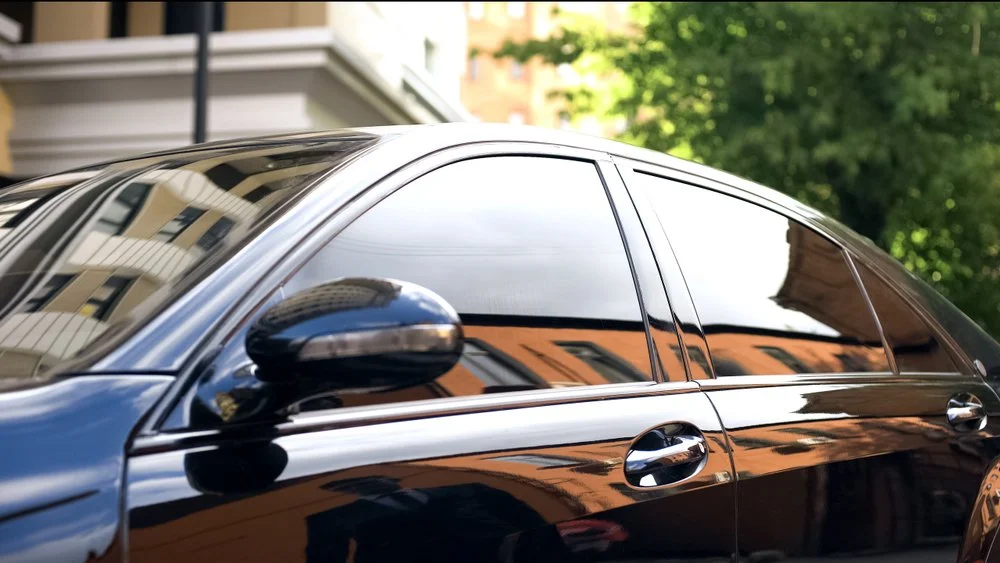
Car window tinting provides several functional and aesthetic benefits for vehicle owners. Drivers in Halifax install window tint to reduce interior heat, block harmful ultraviolet radiation, improve driving comfort, and enhance vehicle privacy.
Modern tint films provide heat rejection, glare reduction, and protection for vehicle interiors.
Drivers looking for professional tint installation services can visit
https://hfxdetailguys.com/car-window-tinting-halifax
Car window tint provides five major advantages for drivers.
Window tint blocks infrared radiation from sunlight.
Reducing infrared radiation helps maintain cooler cabin temperatures during summer months.
Drivers in Halifax experience improved comfort when vehicles remain cooler while parked or driving.


4
High-quality window tint films block up to 99% of ultraviolet radiation.
UV protection helps prevent:
UV reduction also protects passengers from prolonged sun exposure during long drives.
Sun glare affects driver visibility during sunrise, sunset, and bright daytime conditions.
Window tint reduces glare from:
Reducing glare helps drivers maintain better visibility and driving comfort.
Tinted windows reduce visibility from outside the vehicle.
Privacy benefits include:
Many vehicle owners prefer darker rear window tint to increase privacy.
Sunlight and heat gradually damage interior materials.
Window tint protects several interior components:
Interior protection helps maintain vehicle condition and resale value.
Yes. Window tint improves driving comfort by reducing heat buildup and glare.
Drivers often notice several comfort improvements:
Comfort improvements become noticeable during long drives and summer conditions.
Tint durability depends on film quality and installation.
Typical lifespan includes:
| Tint Type | Average Lifespan |
|---|---|
| Dyed tint | 3–5 years |
| Carbon tint | 5–8 years |
| Ceramic tint | 8–10 years |
Higher-quality films resist fading, bubbling, and peeling.
Professional installation improves tint durability.
Window tint is legal in Nova Scotia but regulations apply to front windows.
Typical legal guidelines include:
Drivers should ensure tint installation follows provincial regulations.
Professional installers provide better results than do-it-yourself tint installation.
Professional tint installation ensures:
Drivers seeking professional installation services can visit
https://hfxdetailguys.com/car-window-tinting-halifax
Yes. Window tint reduces heat by blocking infrared radiation from sunlight.
Yes. Tint protects dashboards, seats, and trim materials from sun damage.
Tint reduces glare from sunlight and headlights, which improves driving comfort.
Window tint provides heat reduction, UV protection, and improved privacy, making it a valuable vehicle upgrade.
Window tinting provides several benefits for drivers in Halifax. Tint films reduce interior heat, block ultraviolet radiation, improve driving comfort, and protect vehicle interiors from sun damage.
Professional window tint installation ensures proper film application, legal tint levels, and long-lasting performance.
Drivers interested in professional tint services can visit
https://hfxdetailguys.com/car-window-tinting-halifax