

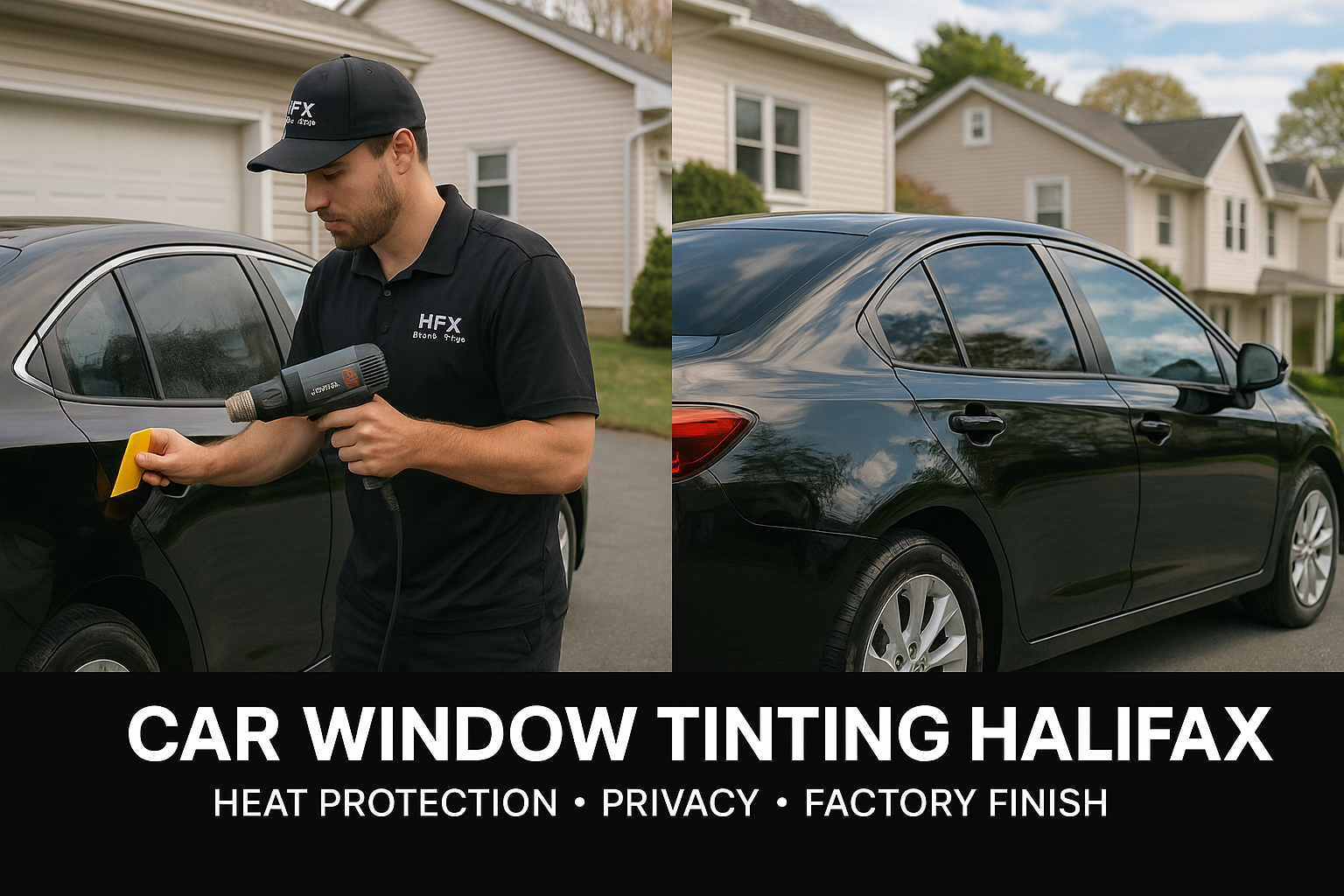
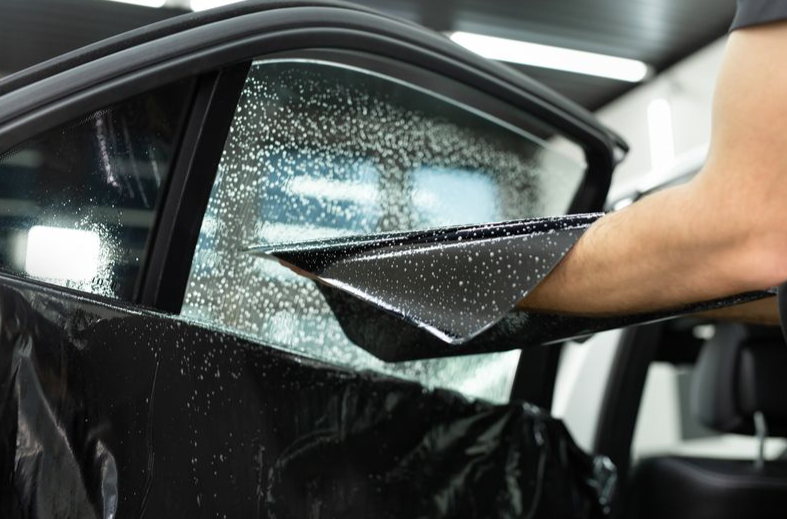
Car window tinting is the application of a thin, transparent or semi-transparent film to automotive glass to reduce visible light transmission, block ultraviolet radiation, manage interior heat, and enhance driving comfort. In Halifax, window tinting serves both functional and protective purposes due to seasonal sun glare, winter light reflection from snow, and year-round temperature fluctuations.
Window tinting in Halifax must comply with Nova Scotia Motor Vehicle Act regulations, while still delivering measurable benefits such as UV protection, cabin temperature control, and interior preservation.
Car window tinting is the installation of a multi-layer polyester film on the interior surface of automotive glass to control light, heat, and radiation entering the vehicle.
Modern window tint films are engineered with advanced materials, including dyed layers, metalized particles, carbon compounds, or ceramic nanoparticles. These materials determine performance characteristics such as heat rejection, glare reduction, and signal transparency.
Car window tinting provides 7 primary benefits relevant to Halifax driving conditions.
Automotive window tint blocks up to 99% of ultraviolet (UV) radiation, which reduces:
Dashboard cracking
Leather fading
Plastic trim degradation
UV exposure accelerates interior aging, especially in vehicles parked outdoors year-round.
High-quality window tint reduces solar heat gain by limiting infrared radiation penetration. This leads to:
Lower cabin temperatures in summer
Reduced air conditioning usage
Faster interior cooling
Even in cooler climates like Halifax, summer sun exposure combined with glass greenhouse effect significantly increases cabin heat.
Tinted windows reduce glare from:
Low-angle sun
Snow reflection during winter
Headlights during night driving
Reduced glare improves visual clarity and lowers eye fatigue, particularly during long commutes.
By blocking UV and heat, window tint slows material breakdown across:
Upholstery
Dashboards
Door panels
Interior preservation maintains resale value and aesthetic condition.
Window tint limits external visibility into the vehicle, protecting personal belongings and reducing opportunistic theft.
Tint film adds structural reinforcement to glass. In the event of breakage, tint helps hold glass fragments together, reducing injury risk.
Balanced interior temperatures and glare control improve overall driving comfort throughout the year.
Yes, car window tinting is legal in Halifax when it complies with Nova Scotia window tint regulations.
Nova Scotia law focuses on Visible Light Transmission (VLT) percentages, which determine how much light must pass through the glass.
| Window Position | Minimum Allowed VLT |
|---|---|
| Windshield | Tint strip at top only |
| Front side windows | ≥ 35% VLT |
| Rear side windows | Any darkness |
| Rear windshield | Any darkness |
Windshields may only have a non-reflective tint strip above the AS-1 line.
Non-compliant tint can result in:
Failed vehicle inspections
Traffic fines
Mandatory tint removal
Professional installation ensures compliance while maximizing performance.

There are 4 primary types of automotive window tint, each with distinct properties.
Dyed tint uses pigment layers to absorb light.
Characteristics:
Affordable
Basic glare reduction
Minimal heat rejection
Limitations:
Prone to fading
Shorter lifespan
Metalized tint reflects heat using metallic particles.
Advantages:
Improved heat rejection
Increased glass strength
Disadvantages:
Potential signal interference
Reflective appearance
Carbon tint uses carbon particles to block infrared radiation.
Benefits:
Stable color
No signal interference
Moderate heat rejection
Ceramic tint uses nano-ceramic technology.
Advantages:
Superior heat rejection
Maximum UV protection
No signal interference
Long lifespan
Ceramic tint is the preferred option for Halifax drivers seeking long-term performance.
Ceramic window tint is the best option for Halifax due to variable temperatures, sun glare, and year-round vehicle use.
Ceramic tint performs consistently across all seasons without discoloration or electronic interference.
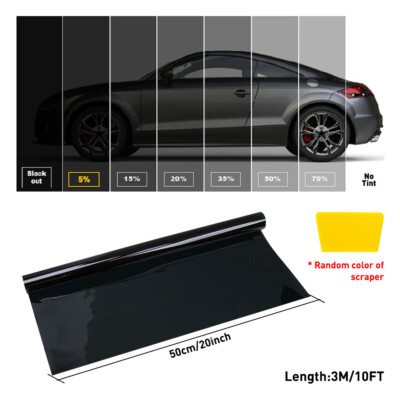
The optimal tint darkness balances legal compliance, visibility, and performance.
Front side windows: 35% VLT
Rear windows: 20%–5% VLT
Windshield strip: legal visor tint only
Lower VLT values provide greater privacy but must remain within legal limits for front windows.
Car window tinting in Halifax typically costs between $250 and $600, depending on vehicle size, tint type, and number of windows.
| Vehicle Type | Estimated Cost |
|---|---|
| Sedan | $150–$300 |
| SUV | $190–$320 |
| Large SUV / Van | $220–$350 |
Ceramic tint commands higher pricing due to material cost and performance benefits.
Professional window tint installation typically takes 2 to 4 hours, depending on vehicle size and glass complexity.
Curing time varies based on temperature and humidity. In Halifax conditions, full curing may take 3 to 7 days.
Proper care ensures long-term clarity and durability.
Avoid rolling windows down for 48–72 hours
Clean using ammonia-free cleaners
Use soft microfiber cloths
Avoid abrasive tools
Winter interior heating does not damage properly installed tint.
Properly selected window tint does not negatively affect night driving visibility.
Excessively dark tint on front windows may reduce clarity in low-light conditions, which is why legal VLT limits exist.
Yes, window tint can be installed year-round in Halifax.
Professional installers use controlled environments to ensure proper adhesion and curing, even during colder months.
Only metalized tint may interfere with signals.
Ceramic and carbon tints do not interfere with:
GPS
Mobile signals
Bluetooth
Keyless entry systems
Window tint lifespan depends on film quality.
| Tint Type | Expected Lifespan |
|---|---|
| Dyed | 3–5 years |
| Metalized | 5–7 years |
| Carbon | 7–10 years |
| Ceramic | 10+ years |
Premium ceramic tint offers the longest service life.
Yes, professional window tinting is worth it for legal compliance, longevity, and optical clarity.
DIY tint often results in:
Visible creases
Air bubbles
Premature peeling
Legal non-compliance
Professional installation ensures precision and durability.
Car window tinting in Halifax provides measurable benefits, including UV protection, heat reduction, glare control, and interior preservation. When installed professionally and within Nova Scotia legal limits, window tint enhances driving comfort year-round while protecting vehicle value.
Ceramic window tint offers the highest performance and longevity for Halifax’s mixed climate conditions, making it the preferred solution for long-term vehicle protection.